
 By
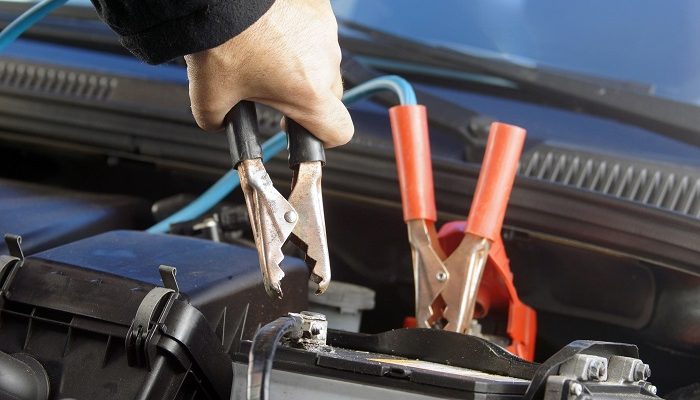
A vehicle sitting quietly in a driveway or garage looks like an asset at rest. In reality, modern cars are never truly asleep. With remote work arrangements, public transit usage, and multi-vehicle households becoming the norm, more cars than ever sit parked for weeks at a time. The unpleasant surprise arrives when you finally turn the key or press the start button, only to be greeted by a weak click, a flickering dashboard, and complete silence under the hood.
Leaving a car parked for long stretches causes far more rapid battery degradation than high-mileage highway commuting. The chemical mechanics of a standard twelve-volt automotive battery require active maintenance and routine replenishment. Without an intentional strategy to counter natural power loss, an inactive vehicle will reliably strand its driver and destroy a costly battery long before its expected lifespan is reached.
The Silent Drain: Why Parked Vehicles Bleed Power
Every vehicle engineered over the past two decades draws electrical current even when the key is far away and the doors are locked. This continuous baseline power consumption is known as parasitic drain, and it keeps vital onboard computers operational around the clock. The security system remains on alert, keyless entry modules listen for your proximity fob, the engine control unit preserves sensor memories, and cellular telematics modules regularly ping remote servers with diagnostic updates.
In a healthy vehicle, normal key-off draw sits between twenty and fifty milliamps. While that seems negligible, a steady trickle adds up over ten to fourteen days of inactivity. A typical passenger vehicle battery possesses roughly fifty to seventy amp-hours of reserve capacity. Once parasitic draw drains twenty to thirty percent of that reserve, the remaining energy is often insufficient to crank the engine, especially during cooler mornings.
Compounding this drain is the natural self-discharge inherent to lead-acid and absorbent glass mat (AGM) chemistries. Even if removed from the chassis and placed on a shelf, a battery loses roughly one to two percent of its charge per week at room temperature. When a battery lingers at a partial state of charge—typically anything below 12.4 volts—an insidious chemical process called lead sulfation begins. Soft lead sulfate crystals form on the internal lead plates and slowly harden into permanent deposits. Over time, sulfation permanently reduces the surface area available for chemical reactions, destroying battery capacity even if you eventually recharge the unit.
The Flaw in the Driveway Idling Myth
One of the most persistent pieces of automotive advice suggests that drivers should walk outside once a week, start the car, and let it idle in the driveway for ten minutes. Mechanically speaking, this practice does far more harm than good.
Starting an internal combustion engine is the single most demanding task a battery ever performs. Cranking a starter motor draws anywhere from one hundred to three hundred cold-cranking amps for several seconds. To replenish that sudden energy deficit, the vehicle’s alternator must supply sustained current back into the cells.
At idle speed—typically between six hundred and eight hundred revolutions per minute—most modern alternators produce only a fraction of their maximum rated amperage. The meager current generated at idle is often barely enough to satisfy the vehicle’s immediate operational demands, such as radiator fans, fuel injectors, cabin blowers, and digital displays. Idling for ten minutes simply leaves the battery with an even deeper net deficit than before you started the car.
Furthermore, brief idling cycles prevent the engine and exhaust system from reaching proper operating temperature. This traps unburned fuel and condensation inside the crankcase and exhaust pipe, accelerating motor oil breakdown and metal corrosion. If you plan to rely on driving to recharge your battery, skip the driveway idle. Take the vehicle on a continuous, thirty-minute highway drive where higher engine revolutions allow the alternator to deliver a healthy, uninterrupted charge.
Practical Solutions for Extended Parking
For owners who know their car will sit parked for more than a week or two at a time, active intervention is necessary. Relying purely on intermittent driving is inefficient and easy to postpone.
Investing in a Smart Float Maintainer
The single most effective tool for vehicle preservation is an intelligent battery maintainer, commonly referred to as a battery tender. It is crucial to distinguish a smart maintainer from an old-fashioned trickle charger. Traditional trickle chargers deliver a continuous, unregulated stream of low amperage regardless of the battery’s condition, which will eventually boil away internal electrolyte and warp the lead plates.
A smart maintainer uses microprocessor control to monitor real-time battery voltage. It steps down its charging profile through distinct stages: bulk charging to restore voltage, absorption charging to top off the cells, and a passive float mode that only delivers micro-pulses when voltage naturally drops below 12.6 volts. You can safely leave a smart maintainer connected for months at a time without risking overcharging or thermal damage.
Managing Off-Grid Parking and Solar Alternatives
Not every car owner has access to an electrical outlet in an attached private garage. For vehicles parked on city streets, open driveways, or beneath carports, solar maintainers provide an effective off-grid workaround.
A small five- to ten-watt solar trickle panel placed across the dashboard can harvest enough daylight to offset baseline parasitic draw. When pairing a solar panel with a vehicle, ensure the unit includes a built-in charge controller to prevent overcharging on bright summer afternoons. If your vehicle’s twelve-volt auxiliary port remains powered when the ignition is switched off, the panel can plug directly into the dash. Otherwise, route the leads through the firewall directly to the battery terminals or connect through an OBD-II diagnostic port adapter designed for charging.
Physical Disconnection for Long Storage Intervals
If a vehicle must remain parked outdoors for multiple months with no charging options whatsoever, manual disconnection is the most practical solution. Removing the negative battery cable breaks the electrical circuit, immediately eliminating parasitic drain.
Before disconnecting, keep in mind that cutting power resets the vehicle’s clock, radio presets, and learned throttle calibrations. In modern luxury vehicles with intricate electronic architectures, prolonged disconnection can occasionally trigger diagnostic fault codes that require specialized scan tools to clear. Check your owner’s manual before pulling the cable, and always disconnect the negative terminal first to eliminate the risk of a dangerous short circuit from an errant wrench contacting the metal frame.
Physical Maintenance and Environmental Protection
Preventative maintenance extends beyond supplying electrical current. The physical condition of the battery housing and terminal posts plays a substantial role in electrical resistance and discharge rates.
Inspect the battery terminals every few months for corrosion, which manifests as a crusty, chalky bloom of white, blue, or green powder around the metal clamps. This buildup consists of lead or copper sulfate formed by venting acid vapors. Corrosion creates electrical resistance, choking off the alternator’s ability to recharge the battery while simultaneously weakening starting power. Clean corroded terminals using a mixture of warm water and baking soda applied with a stiff wire brush, wipe them dry, and coat the clean metal with a thin layer of dielectric grease or terminal protector spray to seal out moisture.
Temperature exposure also warrants careful management. While freezing winter weather is famous for exposing weak batteries by thickening motor oil and sluggishly slowing down chemical reactions, high summer heat is what actually causes the initial damage. Excessive heat dramatically accelerates internal self-discharge and causes battery acid to evaporate over time. If possible, park in shaded carports, north-facing driveways, or covered parking decks to minimize thermal stress during sweltering summer months.
Verifying Health with a Multimeter Routine
Rather than waiting for a no-start condition to indicate an issue, keep a basic digital multimeter on hand to evaluate battery status in seconds. Set the meter to measure direct current voltage (DCV) and touch the probes to the respective terminal posts with the vehicle turned off.
A healthy, fully charged twelve-volt battery will read 12.6 volts or higher at rest. A reading of 12.4 volts indicates approximately a seventy-five percent state of charge, which is acceptable but signals that a drive or maintenance charge is due. If your reading drops to 12.0 volts or below, the battery is effectively seventy-five percent discharged and actively suffering sulfation. Catching a declining charge early allows you to restore the battery with a smart charger long before permanent internal damage sets in.
Modern vehicles are engineered to be driven, not parked. When prolonged downtime is inevitable, treating electrical storage with the same proactive care you dedicate to oil changes and tire rotations prevents costly, inconvenient breakdowns. A smart maintainer, clean connection terminals, and a realistic understanding of vehicle electronics transform infrequent driving from an automotive hazard into a worry-free reality.






Comments